2025 November Archive: T+1 Settlement, Dividend Taxes, and Fintech Strategies

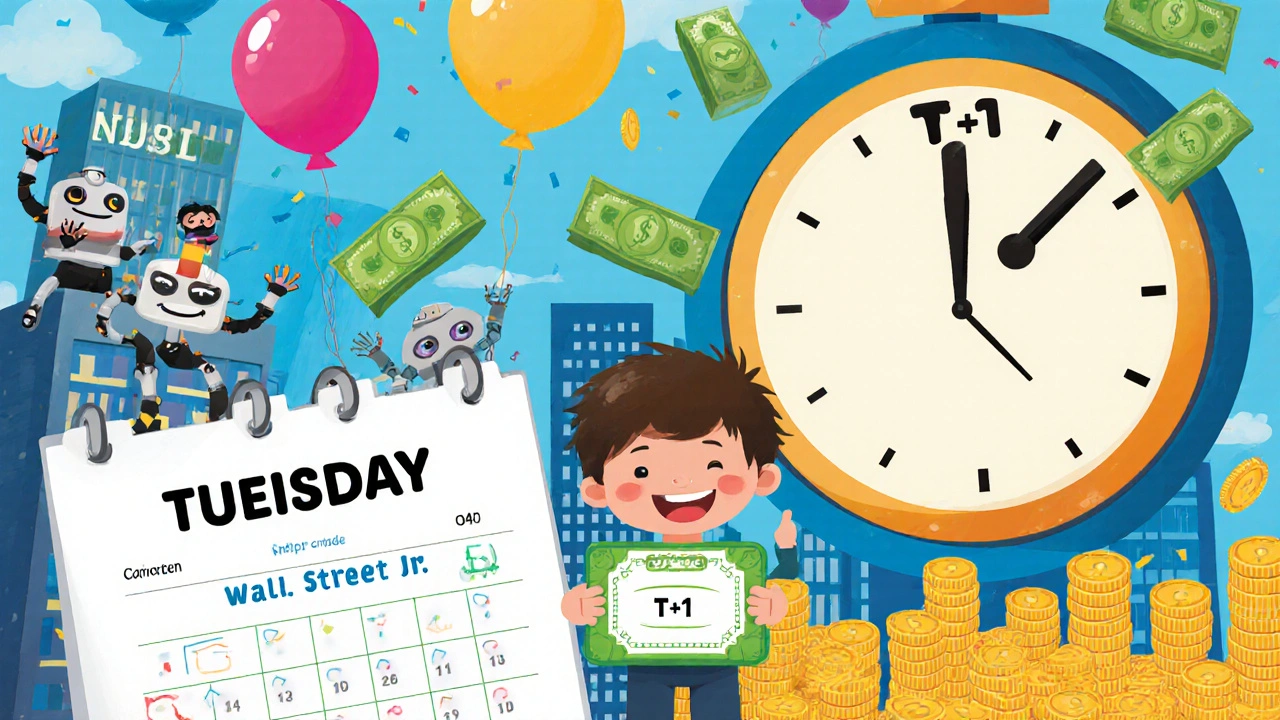
When you buy a stock in 2025, the clock starts ticking faster than ever. The shift from T+1 settlement, the process where stock trades are finalized and cash or securities are exchanged within one business day. Also known as T+1 cycle, it means your money isn’t tied up for two days anymore—it’s yours by the next morning. This change touches everything: dividend payments, margin calls, and even how you time your trades. It’s not just a backend update; it’s a new rulebook for retail investors who thought they had time to react.

That same speed shows up in qualified dividend income, dividends from U.S. stocks that meet IRS criteria and are taxed at lower capital gains rates instead of ordinary income rates. Also known as qualified dividends, it—especially in 2025, where tax brackets shifted again. If you’re holding dividend stocks, knowing who qualifies and how to avoid the trap of non-qualified dividends can save you thousands. And it’s not just about taxes. interest rates, the cost of borrowing money that directly impacts bond prices, stock valuations, and investor behavior. Also known as benchmark rates, it aren’t just rising—they’re moving for reasons that matter. Is it inflation? Recession fears? Or just the Fed catching up? Your dividend strategy needs to respond to the why, not just the number.

Behind the scenes, fintech companies are wrestling with a deeper question: build a focused product or a full platform? fintech strategy, the decision-making framework companies use to choose between narrow, high-value tools and broad, ecosystem-driven platforms. Also known as fintech business model, it determines everything from compliance costs to user growth. The winners aren’t the ones with the fanciest app—they’re the ones who know when to say no to features and yes to reliability. Meanwhile, asset allocation, the process of dividing an investment portfolio among different asset categories like stocks, bonds, and cash based on goals and risk tolerance. Also known as portfolio allocation, it isn’t about the old 60/40 rule anymore. It’s about your life stage, your tolerance for volatility, and whether you’re using floating-rate notes to hedge rising rates or shifting between value and growth stocks based on economic signals.

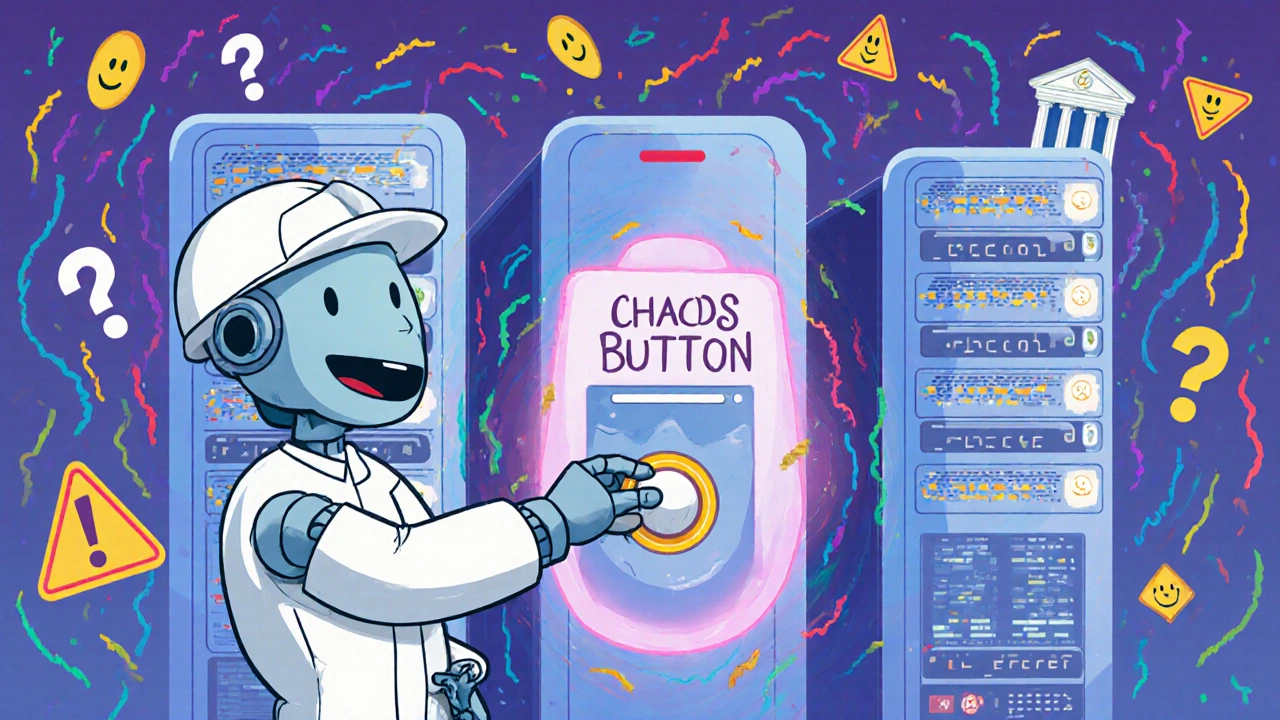
This archive isn’t a random collection. It’s a snapshot of what actually moved markets and wallets in November 2025. You’ll find deep dives into how T+1 settlement changes your cash flow, why some dividends are taxed at 0% while others cost you 40%, and how fintechs are using chaos engineering to avoid blackouts. There’s no fluff—just real tactics on embedded insurance, BNPL credit impacts, and how to calculate bond returns beyond yield to maturity. Whether you’re managing your own portfolio, advising clients, or building financial tools, these posts give you the clear, actionable details you need to make better decisions—today, not next year.


post-image
Nov, 29 2025

Surprise and Delight Credits: How Unexpected Gestures Build Lasting Brand Love

Surprise and delight marketing builds lasting brand love by creating unexpected, personalized moments that turn customers into advocates. Learn how small, authentic gestures outperform loyalty programs and drive 3x higher lifetime value.
post-image
Nov, 25 2025

Embedded Finance Use Cases: Real-World Applications in 2025

Embedded finance is transforming everyday apps into financial hubs. From Shopify’s instant loans to Klarna’s buy-now-pay-later, see how real businesses and consumers are using embedded payments, lending, and banking in 2025.
post-image
Nov, 20 2025

Qualified Dividend Income: How Lower Tax Rates Work in 2025

Qualified dividend income is taxed at lower rates than ordinary dividends - sometimes 0%. Learn how the 2025 tax brackets work, who qualifies, and how to avoid costly mistakes that could cost you thousands.
post-image
Nov, 19 2025

Understanding Order Confirmations and Trade Settlements (T+2/T+1)

Learn how the shift from T+2 to T+1 settlement affects your trades, dividends, and cash availability. Understand the rules, avoid common mistakes, and make smarter investing decisions in today’s faster market.
post-image
Nov, 14 2025

Chaos Engineering in Fintech: Testing Failure Scenarios to Prevent Outages

Chaos engineering helps fintech companies prevent outages by intentionally breaking systems in controlled ways. Learn how top banks use failure testing to build resilience, reduce downtime, and meet strict regulatory standards.
post-image
Nov, 13 2025

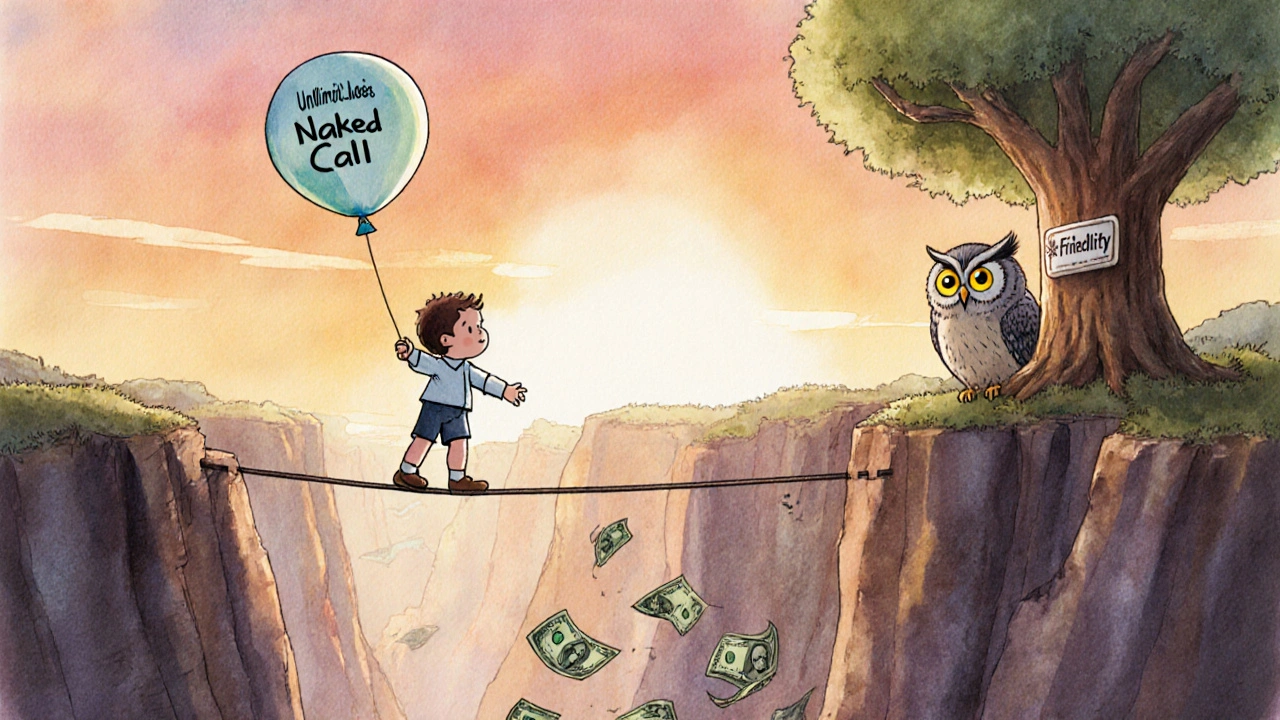
Naked Options Risk: Why Brokers Require Level Approvals

Naked options carry unlimited risk, which is why brokers require high-level approval and large account balances. Learn why this strategy is restricted, how margin requirements work, and what safer alternatives exist.
post-image
Nov, 12 2025

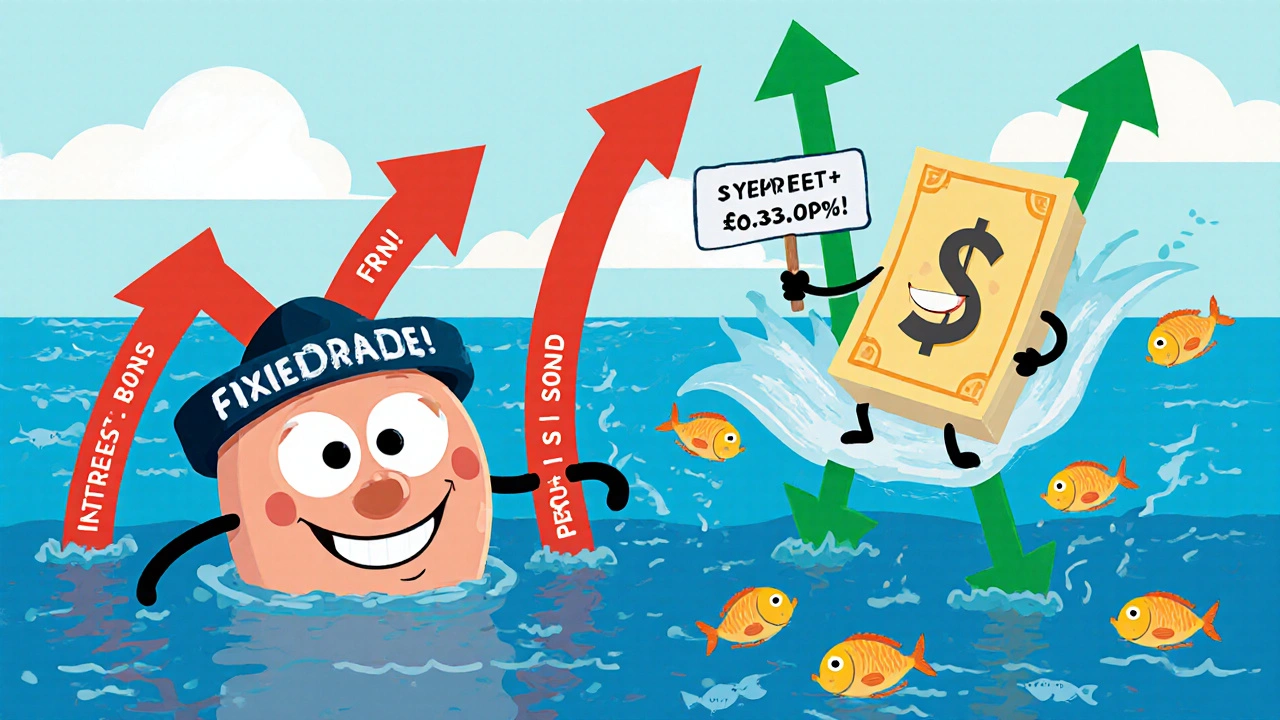
Floating-Rate Notes: How They Protect Your Portfolio When Interest Rates Rise

Floating-rate notes adjust their interest payments as benchmark rates rise, protecting investors from falling bond prices. Learn how FRNs work, who issues them, and why they’re a smart tool in today’s high-rate environment.
post-image
Nov, 11 2025

Advisor Communication Cadence: How Meetings, Reports, and Alerts Build Client Trust

Financial advisors who use structured communication cadences-regular meetings, personalized reports, and timely alerts-retain 89% of clients. Learn how to build a system that builds trust, reduces attrition, and outperforms robo-advisors.
post-image
Nov, 10 2025

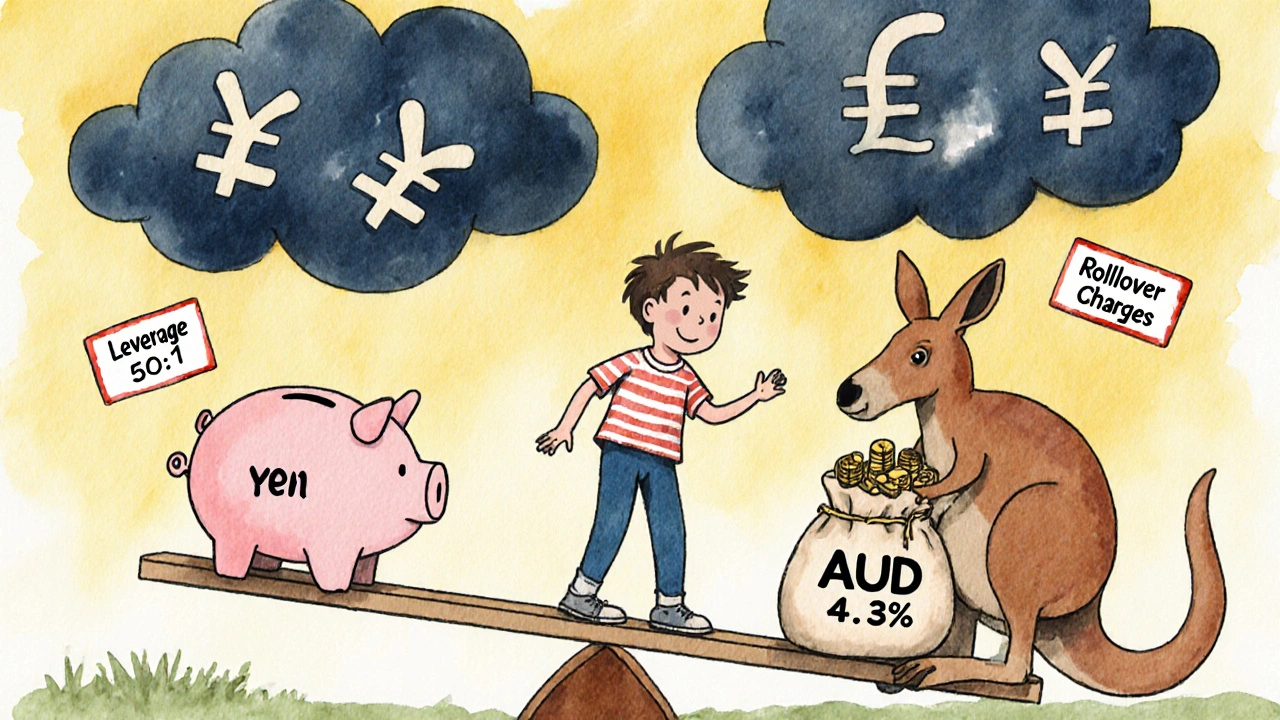
Currency Carry Trades: Risks for Retail Investors

Currency carry trades promise easy returns by borrowing low-interest currencies and investing in high-yield ones, but retail investors face massive risks from leverage, volatility, and sudden market shifts that often wipe out their capital.
post-image
Nov, 7 2025

BNPL Impact on Credit Scores: Does It Hurt Your Score in 2025?

BNPL services like Klarna and Afterpay used to ignore credit scores-but starting in 2025, they'll directly impact them. Learn how missed payments hurt your score, how on-time payments can help, and what to do now.
post-image
Nov, 6 2025

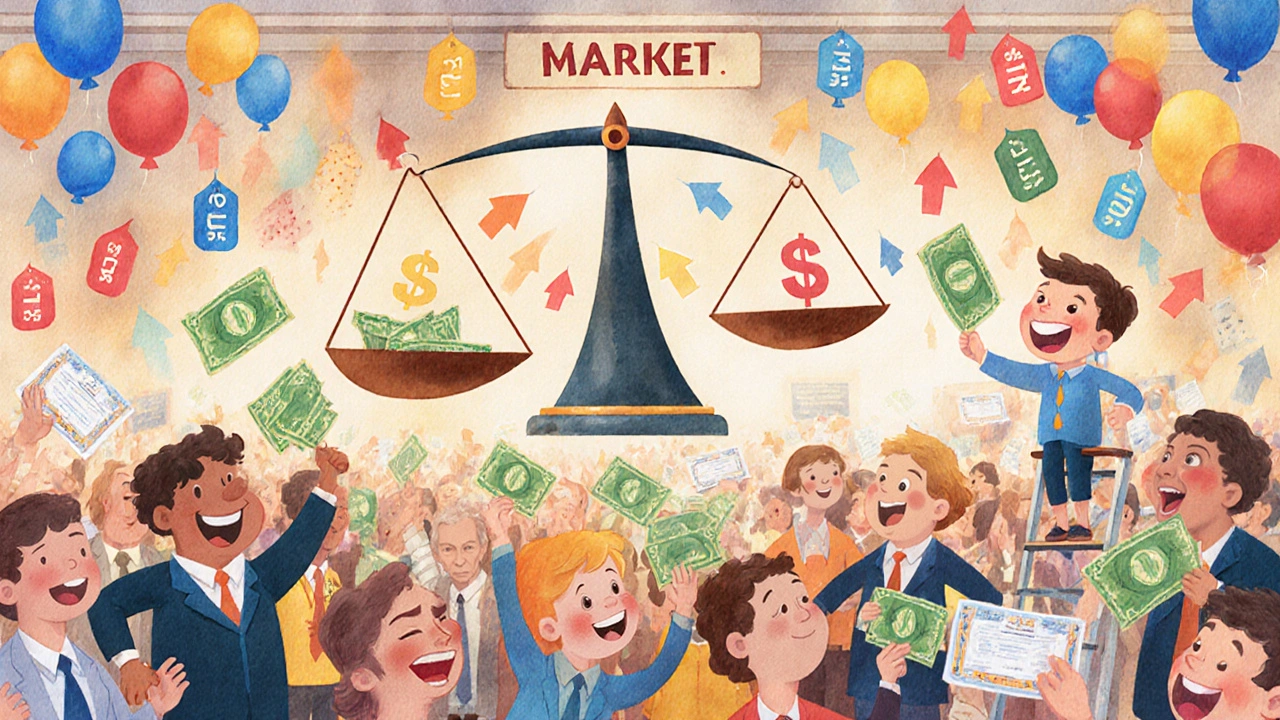
How Stock Prices Are Determined: Supply, Demand, and Market Forces

Stock prices are set by supply and demand in real time, not by company decisions or analysts. Learn how buyers, sellers, algorithms, and market sentiment drive every price movement.
post-image
Nov, 6 2025

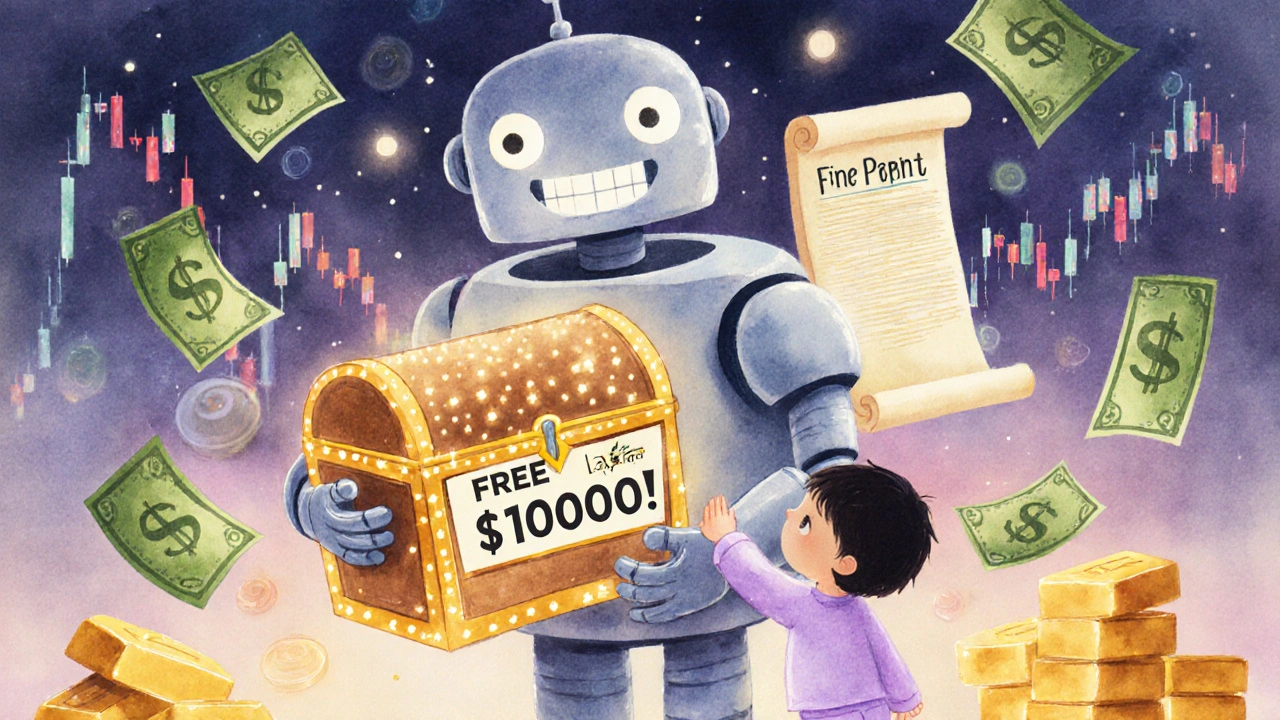
Limited-Time Robo Promotions: Bonuses and Fine Print Explained

Robo-advisor bonuses look like free money, but they come with strict rules that trap new investors. Learn how to spot the real value - and avoid the hidden costs.