
Surprise Moment Calculator
Calculate Your Perfect Surprise Moment
Use this tool to identify the ideal surprise gesture based on customer data points from the article.
Recommended Strategy
Key insight:
Why surprise and delight isn’t just a nice gesture-it’s a profit driver
Most companies chase loyalty through points, discounts, and reward tiers. But what if the real secret to keeping customers isn’t more rewards, but fewer expectations? That’s the power of surprise and delight. It’s not a coupon. It’s not a loyalty program. It’s a handwritten note tucked into a package. A free sample sent because you bought the same thing last month. A surprise upgrade when you least expect it. These moments don’t come with terms. They don’t require redemption. They just happen-and that’s why they stick.
When you surprise someone, you don’t just make them happy. You change how they see you. Neuroscience shows unexpected positive experiences trigger 47% more dopamine than planned rewards. That’s not luck. That’s biology. And brands that understand this aren’t just keeping customers-they’re turning them into advocates.
The difference between loyalty programs and real emotional connection
Loyalty programs are predictable. You buy five coffees, you get the sixth free. You spend $1,000, you get silver status. Customers know the rules. They play the game. But they don’t feel anything special. They feel like a number in a database.
Surprise and delight flips that. It removes the contract. It says: we see you, not because you spent money, but because you’re human. Capital One noticed this. They started sending handwritten thank-you notes with $25 gift cards to customers who paid off their loans. No email. No app notification. Just a real note, on real paper, arriving in the mail. The result? A 22% jump in cross-sell conversions. Why? Because the customer didn’t feel like they were being sold to. They felt seen.
Compare that to American Express’s ‘Surprise Upgrade’ program. They randomly upgrade a tiny fraction of cardholders-just 0.3%-to business class. No application. No eligibility check. Just a call saying, ‘You’re flying up.’ Those customers don’t just tweet about it. They post videos. They tag friends. They tell coworkers. And that single gesture generates 3.7x more social buzz than their entire Membership Rewards program.
How to spot the perfect moment to surprise someone
Surprise and delight doesn’t work if it’s random. It works when it’s timely. The best moments happen right after a customer does something meaningful-not just a purchase, but a milestone.
- After they pay off a loan
- After they’ve been a customer for exactly one year
- After they leave a review (even a negative one)
- On their birthday, but only if you know their preference (e.g., coffee, not chocolate)
- When they’ve been quiet for a while and then re-engages
These are triggers. And they’re not hard to find. If you use a CRM, you already have the data. The trick is not to automate the gesture-but to automate the trigger. Let the system flag the moment. Then let a human decide what to do.
Take Sephora. They use AI to identify when a loyal customer is due for a surprise. But instead of blasting them with a discount code, they send a hand-written note with a small, curated gift-something tied to their past purchases. That blend of tech and humanity is why their Net Promoter Score is 27% higher than brands using fully automated systems.
Why most surprise and delight efforts fail (and how to avoid it)
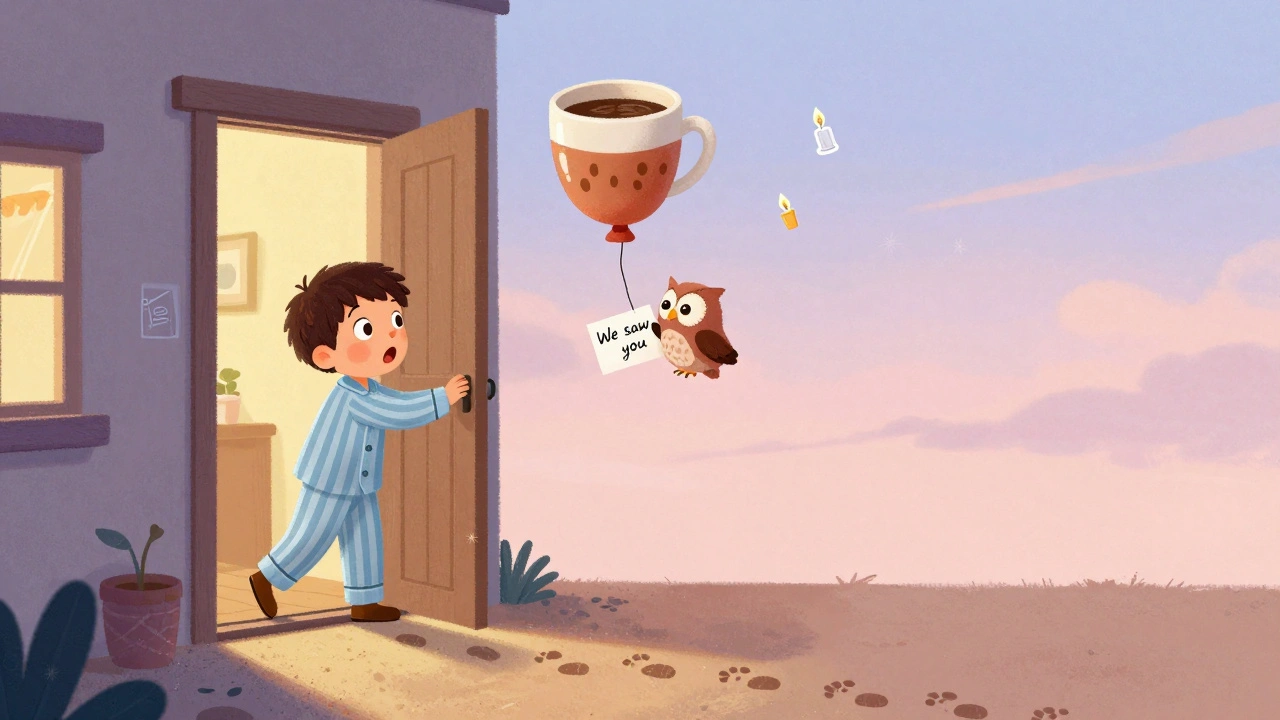
72% of consumers say they feel worse about a brand when a ‘surprise’ feels fake. That’s not a typo. It’s a warning.
Here’s what goes wrong:
- Too generic: A $5 credit for no reason. Customers think, ‘This is just a cost-cutting tactic.’
- Too automated: An email that says, ‘We’re surprised you’re still here!’ Nope. That’s not surprise. That’s spam.
- Wrong timing: Sending a gift after a service failure? That’s not delight. That’s damage control.
- Mismatched value: Sending a luxury candle to someone who only buys budget skincare? You’re not surprising them. You’re confusing them.
The fix? Start small. Test. Track. Listen.
Shopify merchant u/EcomSuccessStory on Reddit sent handwritten notes with every order. Not just ‘thanks.’ Personal ones: ‘Loved your review about the candles-my sister’s birthday is next week, and I’m thinking of getting her one too.’ Result? 41% repeat rate. Industry average? 23%.
They didn’t spend more. They spent smarter.
Real examples that worked (and why)
Let’s look at what’s working right now.
Airbnb’s ‘Night At’ campaign: They didn’t give discounts. They gave experiences you couldn’t buy: sleeping in the Paris Catacombs, floating above the Thames. 2.1 billion media impressions. Why? Because it wasn’t about the price. It was about the story. People didn’t just book-they told everyone they knew.
Nordstrom’s beacon tech: When loyal customers walk into a store, their phone pings a message: ‘Welcome back, Sarah! We’ve got your favorite scarf ready at the counter.’ Then they hand it to them with a free coffee voucher. Result? 31% bigger basket size.
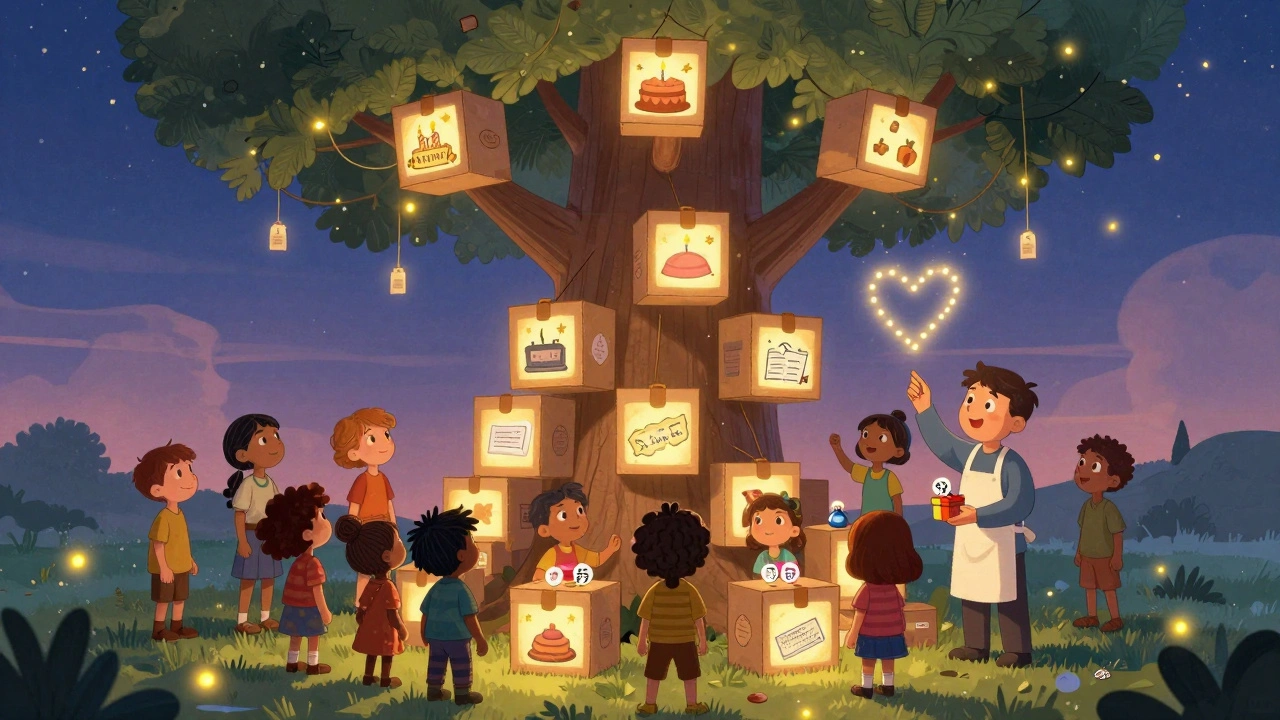
Wedding vendors: A florist sends a handwritten note with a local coffee shop gift card to couples who just got engaged. No purchase required. Just a ‘congrats’ with a little treat. Result? 33% more bookings.
Notice the pattern? None of these were expensive. None were forced. All of them were personal. And all of them created a moment people remember.
How to build your own surprise and delight system (step by step)
You don’t need a big budget. You need a system.
- Find your 3 key moments: What are the moments your customers care about? (Post-purchase, anniversary, after support call)
- Collect 3 data points: Name, purchase history, preference (e.g., ‘loves tea,’ ‘hates glitter’)
- Create a surprise inventory: 70% low-cost (notes, stickers, samples), 20% mid-tier (small gift), 10% high-value (experience, upgrade)
- Automate the trigger, not the gesture: Use your CRM to flag when someone hits a milestone. Then assign a team member to hand-write or hand-deliver.
- Measure what matters: Don’t track sales. Track shares, reviews, and repeat visits.
- Share internally: When someone gets a surprise, tell your team. Celebrate it. Make it part of your culture.
Small businesses can set this up in 2-3 months for under $1,200. The cost isn’t in the gifts. It’s in the attention.
The future of brand love isn’t in ads-it’s in moments
As ads get louder and algorithms get smarter, people are starving for real human connection. Surprise and delight isn’t a marketing tactic. It’s a philosophy. It says: we don’t just want your money. We want to know you. To remember you. To care about you.
Companies that get this don’t just retain customers. They create communities. They become the brand people talk about at dinner parties. They become the brand people trust when everything else feels robotic.
And here’s the truth: you don’t need to be Amazon or Apple to do this. You just need to be human.
One handwritten note. One unexpected gift. One moment where someone says, ‘They didn’t have to do that.’ That’s all it takes to turn a customer into a believer.
What happens when you stop surprising people
Surprise and delight isn’t a one-time fix. It’s a habit. And like any habit, if you stop, people notice.
Qualtrics found that 38% of consumers now feel ‘delight fatigue.’ They’ve seen too many brands try this tactic without depth. A $5 credit. A pop-up. A generic ‘thanks for being a customer’ email. That’s not surprise. That’s noise.
The bar is rising. What felt magical in 2022 feels ordinary in 2025. So if you’re going to do this, you have to go deeper. Not bigger. Deeper.
Instead of sending a gift card, send a book you know they’d love-based on their last purchase. Instead of a discount, send a video message from your founder saying, ‘I read your review. Thank you.’
Real connection doesn’t scale with technology. It scales with care.
this hit me right in the feels 🥹 i work at a small bakery and we started sending little doodles on the box with orders-like a cat if they ordered a cat-shaped cookie. no one asked for it. no one expected it. but now 60% of our repeat customers mention it in reviews. it’s not the cake. it’s the drawing.
The neuroscience angle here is critical. Dopamine isn’t just about pleasure-it’s about memory encoding. When a brand delivers an unexpected positive stimulus, the brain doesn’t just register it as a transaction; it files it under 'this person understands me.' That’s why handwritten notes outperform loyalty points: they bypass the transactional cortex and activate the social bonding center. This isn’t marketing. It’s neuroanthropology.
okay but let’s be real-most brands are doing this wrong. sending a $5 gift card after a refund? that’s not delight, that’s damage control with glitter on it. real surprise and delight is when your local bookstore texts you: 'saw you liked Murakami last month-picked up a first edition of Kafka on the Shore, thought you’d dig it.' no strings. no code. just a human saying 'i see you.' that’s the magic. and yeah, i cried when mine showed up.
I’ve been in enterprise SaaS for 12 years. I’ve seen ‘customer delight’ become a buzzword so diluted it’s meaningless. But this? This is the real deal. The 72% stat about fake surprises? That’s the death knell for every CRM-driven, AI-generated ‘we’re so happy you’re here!’ email. If your surprise doesn’t come from a person who actually read the customer’s history, it’s not a surprise-it’s a glitch in the system. Capital One’s handwritten notes? That’s not a tactic. That’s a rebellion against the machine.
It’s fascinating how deeply human this is, isn’t it? We live in an age of hyper-efficiency, where every interaction is optimized for conversion, yet the only thing that truly lingers-the only thing that transforms a customer into a believer-is the unoptimized, the unplanned, the imperfectly human gesture. A note. A gift tied to a forgotten detail. A moment when the algorithm didn’t interfere. We have forgotten that loyalty isn’t built on points, but on presence. On the quiet realization that someone remembered you-not as a segment, not as a CLV, but as a soul with a name, a preference, a history. And in a world drowning in noise, that silence-the silence of a thoughtful act-is the loudest thing of all.