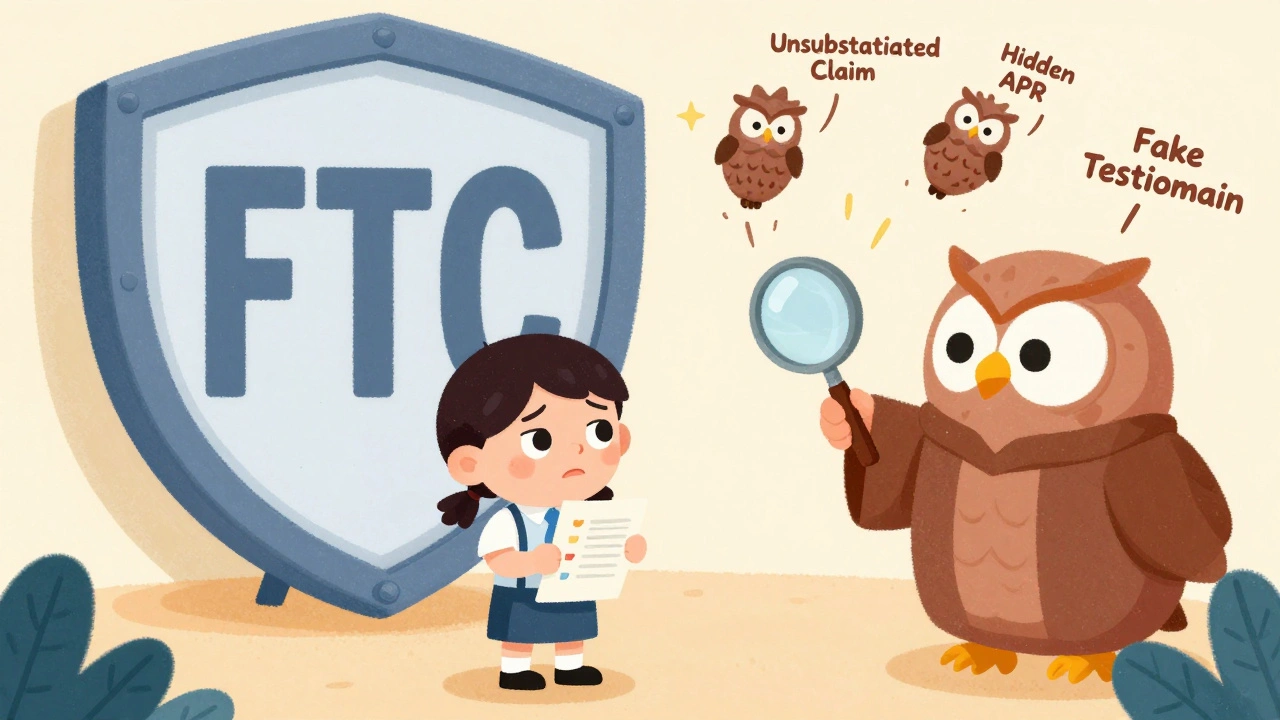
Testimonials Legal: What You Need to Know About Using Customer Reviews Legally
When you use a testimonials legal, customer statements used in marketing to build trust and credibility. Also known as customer endorsements, they’re powerful—but using them without following the rules can land you in serious legal trouble. The FTC doesn’t just recommend truth in advertising; they enforce it. And if you’re posting a quote from a client on your website, in an email, or as a social media ad, you’re legally responsible for how it’s presented.
Many businesses think, "It’s just a happy review," but that’s where things go wrong. A testimonial must be genuine, not fabricated. It must reflect the real experience of a real customer. If you edit it to make someone sound like they got 10x returns when they only made 2%, you’re committing deception. Even if the customer approved it, if the edited version misrepresents results, it’s illegal. The same goes for paid reviews disguised as organic feedback. The endorsement laws, federal guidelines that require clear disclosure when someone is paid or incentivized to promote a product are clear: if money changed hands, say so. No hidden tags, no vague "sponsored" labels—clear, upfront language is required.
Then there’s the issue of context. A testimonial saying "This app saved me hours" is fine—if the user actually used it for time management. But if you use that quote to sell a financial tool, you’re misleading people. Context matters. The review compliance, the set of practices businesses follow to ensure customer feedback is used fairly and legally isn’t about being perfect—it’s about being honest. You can’t cherry-pick only the glowing reviews and ignore the ones that mention slow customer service or bugs. If you’re showcasing results, you must disclose typical outcomes. If you say "Most users see 50% growth," you better have data to back it up.
And don’t forget the fine print. Even if a client signs a release form, you still can’t use their testimonial if it contains false claims. The FTC doesn’t care about your contract—they care about public deception. Plus, some states have stricter rules. California, for example, requires specific disclosures for testimonials that mention financial gains. And if you’re in finance, crypto, or investing? The SEC and CFTC are watching even closer. A single misleading quote could trigger an investigation.
You don’t need fancy legal teams to stay clean. Just follow three simple rules: get written permission, don’t edit the meaning, and always disclose incentives. Use real names and photos if you can—anonymous quotes raise red flags. If someone says "I made $10,000 in a week," ask for proof. If they can’t show it, don’t use it. Real results beat fake hype every time.
The posts below cover real cases where businesses got it right—and where others lost money, clients, and trust because they ignored the basics. You’ll find guides on how to collect testimonials legally, how to structure disclosures, how to handle negative feedback in marketing, and what regulators actually look for during audits. No fluff. Just what works.