Retail Investor Pitfalls: Avoid Common Mistakes That Cost You Money
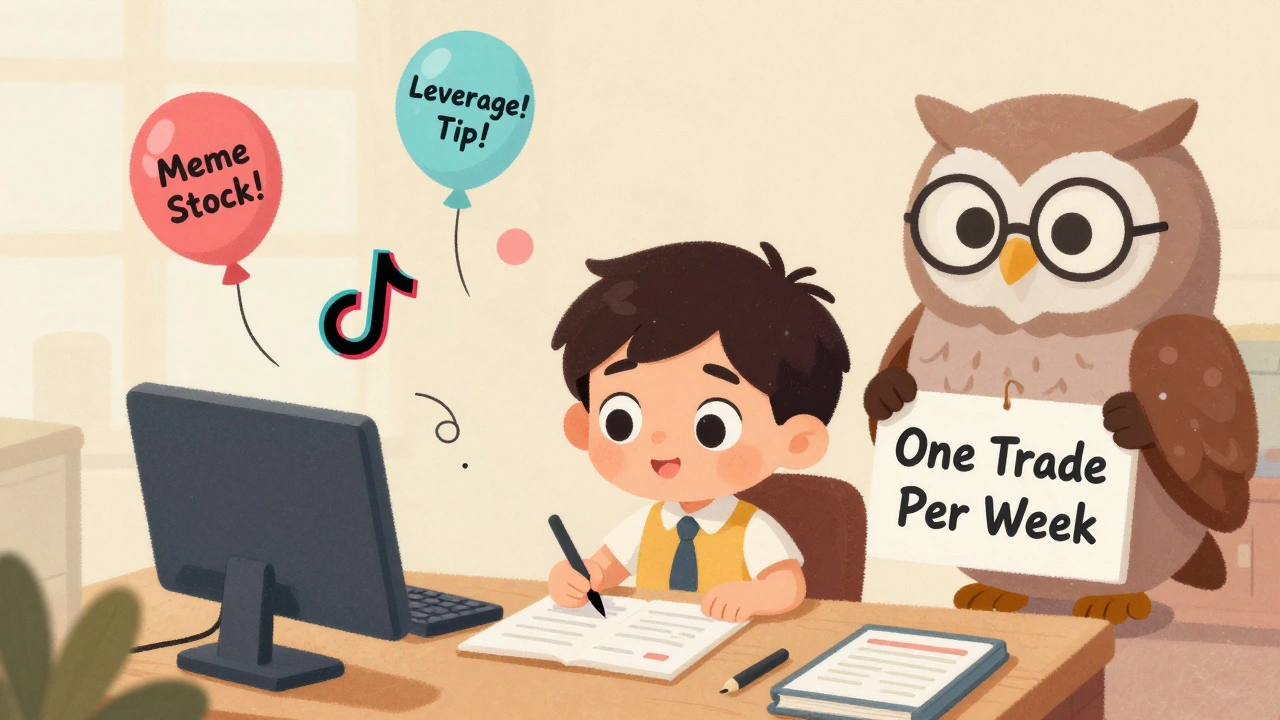
When you start investing as a retail investor, an individual who buys and sells securities for personal accounts, not through institutions. Also known as individual investor, you’re not fighting just the market—you’re fighting your own instincts. Most retail investors lose money not because they picked bad stocks, but because they fell into predictable traps that drain returns over time.
One of the biggest emotional trading, making investment decisions based on fear or excitement instead of data. Also known as behavioral finance errors, it’s why people buy crypto when everyone’s talking about it and sell stocks after a 5% drop. The market doesn’t care how you feel. It moves on facts, liquidity, and earnings. When you let headlines drive your buys and sells, you’re essentially paying the smart money to take your money. Then there’s overtrading, frequent buying and selling that increases fees and taxes without improving returns. Also known as churning, it’s a silent killer. A 2023 study of 10,000 retail accounts showed those who traded more than 12 times a year earned 3.7% less annually than those who traded under four times. Every click costs you—whether it’s a $5 commission, a tax hit, or the slippage from poor timing.
Many retail investors also ignore hidden fees, costs buried in ETFs, robo-advisors, and brokerage accounts that slowly erode gains. Also known as expense ratios and implicit costs, they’re not always listed upfront. A 1% annual fee on a $50,000 portfolio might seem small, but over 20 years, it costs you more than $25,000 in lost growth. That’s not magic—it’s math. And it’s avoidable. You don’t need to be a financial expert to spot these costs. You just need to ask: "What am I really paying?" and check your statements.
Another trap? Chasing yields. You see a stock paying 8% dividends and think, "That’s free money." But if the company’s earnings are falling, or it’s borrowing to pay the dividend, that yield is a trap. The same goes for crypto staking, DeFi pools, or high-yield bonds from unknown issuers. High return doesn’t mean safe return. It often means high risk. The most successful retail investors don’t chase the hottest thing—they build systems. They set rules for when to buy, when to sell, and when to do nothing. They review their portfolio once a year, not once a week. They know that patience beats panic.
You’ll find posts here that break down exactly how these pitfalls show up in real life: how retail investor pitfalls show up in BNPL credit reports, why naked options approvals exist, how T+1 settlement catches people off guard, and why surprise bonuses from robo-advisors come with strings attached. These aren’t theory pieces. They’re field reports from people who’ve been there. You’ll learn how to spot the red flags before you click "Buy," how to read the fine print that brokers don’t want you to see, and how to protect your money without becoming a full-time trader.