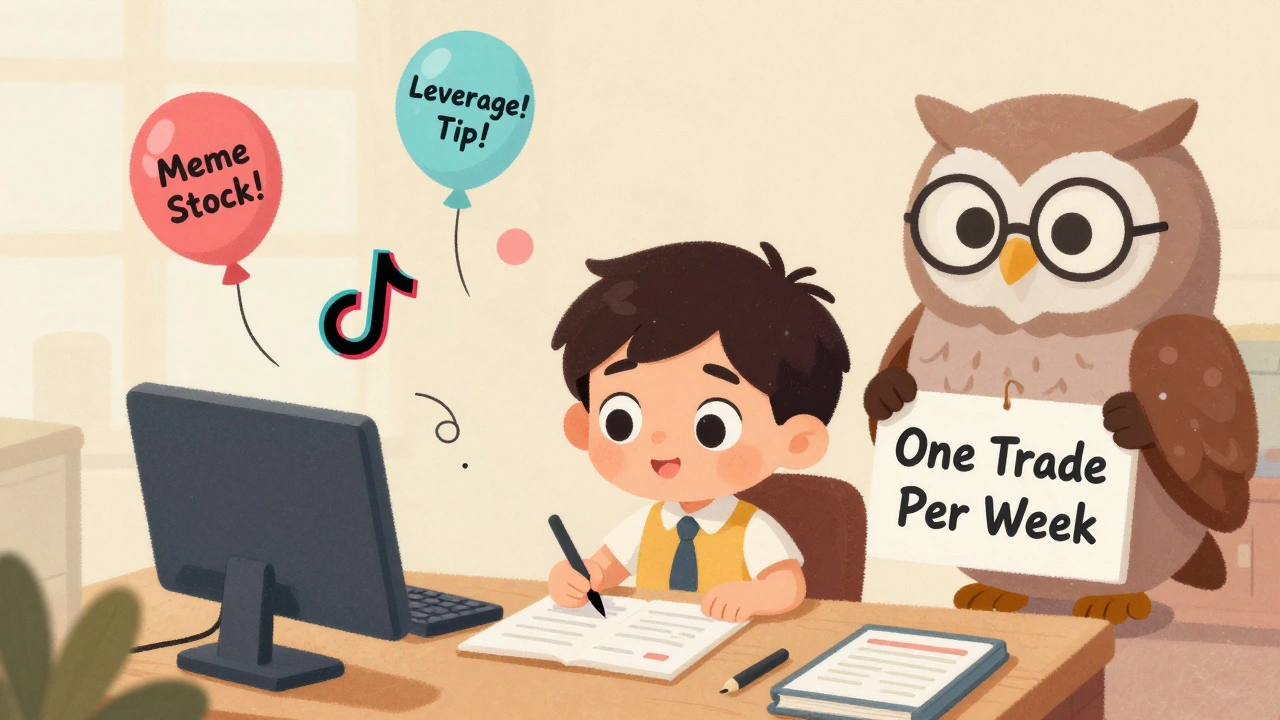
Online Investing Risks: What You Need to Know Before You Click Buy
When you invest online, you’re not just buying stocks or crypto—you’re stepping into a system built for speed, not safety. Online investing risks, the hidden dangers that come with trading through apps and platforms without full control or understanding. Also known as digital market hazards, these risks aren’t just about losing money—they’re about losing control. Most people think the risk is the market going down. But the real danger? You don’t even know what you’re exposed to.
Market volatility, the sudden, unpredictable swings in asset prices driven by news, algorithms, and crowd behavior hits fast and hard. One tweet, one Fed comment, one algorithm glitch—and your portfolio drops 15% in minutes. You didn’t make a bad call. You just got caught in the noise. Then there’s platform security, how safe your login, data, and funds are on apps that don’t always protect you like a bank would. Many apps promise ease, but they’re not regulated like banks. If they get hacked, or if their servers go down during a crash, you’re on your own. And don’t forget leverage risk, the temptation to borrow money to amplify gains, which instead multiplies your losses. A 2x leveraged ETF can lose 40% in a day if the market moves against you—yes, even if the underlying stock only dropped 20%. These aren’t edge cases. They’re everyday events.
Then there’s the psychological side: emotional trading. When your phone pings with a profit alert, your brain lights up like a slot machine. You chase gains. You panic-sell losses. You ignore your plan because the app made it feel like a game. That’s not investing. That’s gambling with your future. And it’s why so many people who start with a $5,000 account end up with $1,200—or nothing at all. The tools make it easy. The risks make it dangerous.
You’ll find posts here that break down exactly how these risks play out in real life: how T+1 settlement can trap you in cash flow gaps, why naked options require broker approvals for good reason, how carry trades look like free money until they collapse, and why screen scraping is being phased out because it’s a security nightmare. You’ll see how BNPL affects your credit score, how interest rates quietly reshape dividend stocks, and why rebalancing after life changes isn’t optional—it’s survival. These aren’t theoretical warnings. They’re lessons from people who lost money because they didn’t ask the right questions.
There’s no magic formula to eliminate online investing risks. But there’s a clear path to managing them: know what you’re exposed to, understand the mechanics behind the app’s buttons, and never trust convenience over control. What follows isn’t a list of tips. It’s a collection of real-world breakdowns that show you where things go wrong—and how to avoid the same mistakes.