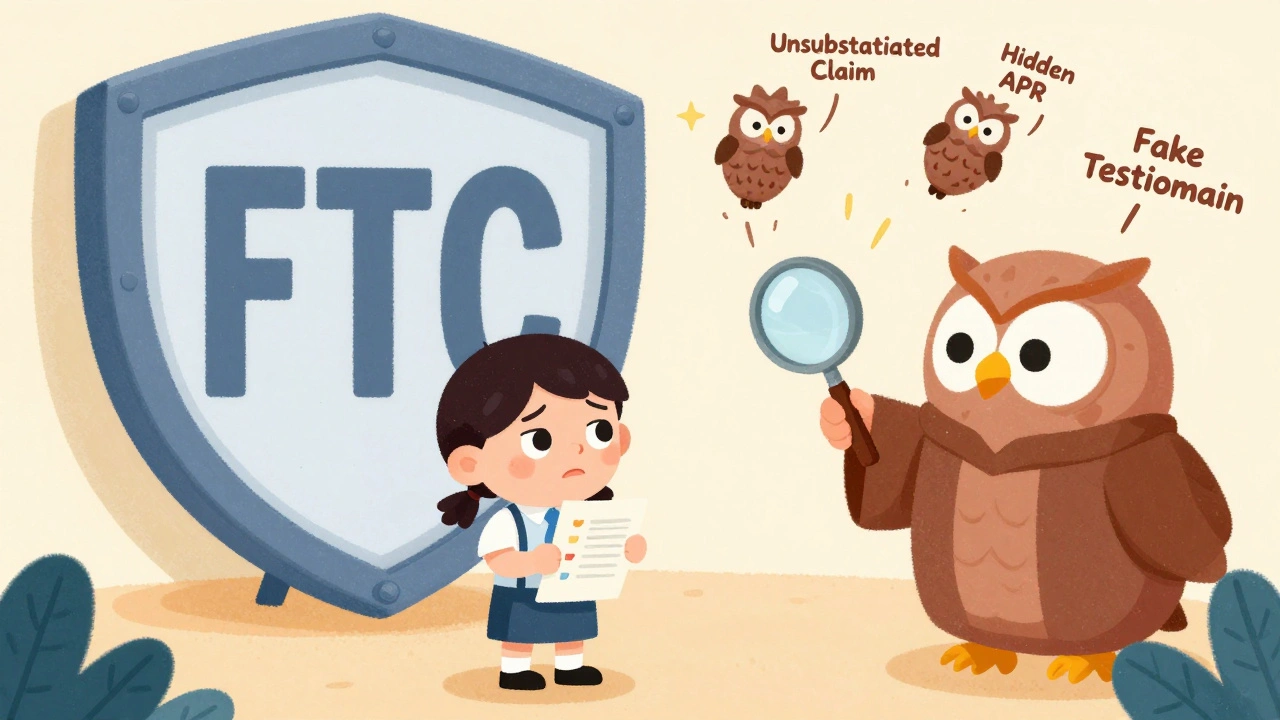
APR Disclosure: What It Really Means for Your Loans and Credit Cards
When you see an APR disclosure, the standardized way lenders show the total cost of borrowing, including fees and interest, expressed as a yearly rate. Also known as annual percentage rate, it's the one number that actually tells you what you're paying—not just the interest rate, but everything bundled in. Most people think APR is just the interest rate. It’s not. It’s the full picture: origination fees, closing costs, even some insurance charges rolled into one clear number. If you’re comparing a personal loan, credit card, or auto financing deal, skipping the APR disclosure is like buying a car without checking the odometer.
Why does this matter? Because two loans can both say "5% interest" but have wildly different APRs. One might charge a $500 upfront fee. Another might hide $100 in processing costs. The first could have an APR of 7.2%. The second, 6.1%. That difference isn’t academic—it’s hundreds of dollars over the life of the loan. Credit card fees, charges like annual fees, cash advance fees, or late payment penalties that are included in APR calculations are often buried in fine print. But the APR disclosure forces lenders to bring them into the light. Same goes for loan costs, all fees tied to getting the money, from application to funding. If a lender won’t show you the APR upfront, walk away. It’s not just a regulation—it’s your protection.
APR disclosure isn’t just for big loans. Even if you’re using a buy-now-pay-later service or a retail credit card, the law requires them to show it. But here’s the catch: not all APRs are created equal. A 0% intro APR on a credit card? That’s temporary. The real APR kicks in after 12 months—and if you don’t pay off the balance, you’ll get hit with back-charged interest. That’s why reading the full disclosure matters. It’s not about finding the lowest number. It’s about understanding what happens when the deal changes.
You’ll find posts here that break down how APR affects your real returns on credit-based investments, how hidden fees inflate your borrowing cost, and why comparing APRs—not just interest rates—is the only way to avoid being misled. Whether you’re juggling credit cards, financing a car, or using fintech lending apps, the APR disclosure is your first line of defense. Don’t let the numbers hide the truth.